
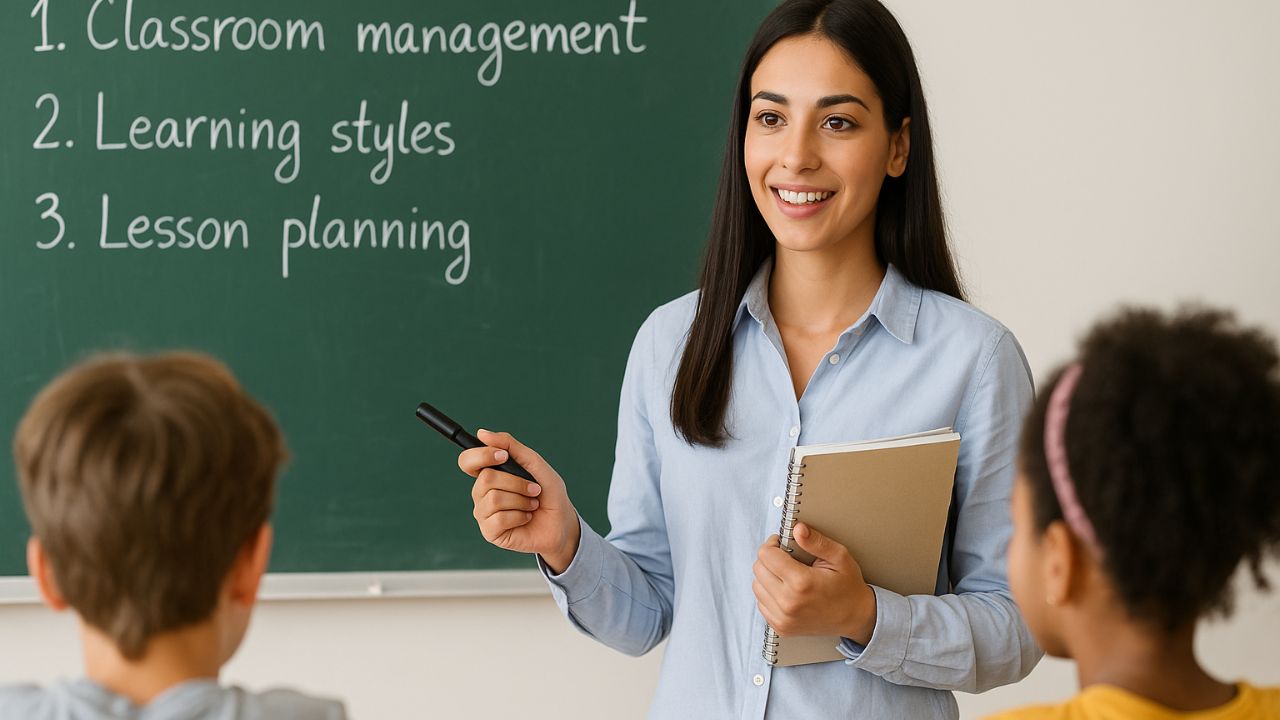
Essential Teaching Skills – Aspiring teachers today require more than just a degree—they need the right mindset, hands-on skills, and a deep understanding of modern educational challenges. At the forefront of teacher training excellence stands http://sbsbed.org.in/, an institution approved by the National Council for Teacher Education (NCTE) and dedicated to producing competent, ethical, and value-driven educators. With its holistic curriculum, state-of-the-art facilities, and commitment to blending theory with practice, SBS B.Ed. College equips future teachers with the essential tools to excel in today’s classrooms. From inclusive teaching methodologies to digital literacy and classroom management, the college nurtures each student into becoming a confident, professional educator. As the educational landscape rapidly evolves, the need for teachers who are both knowledgeable and adaptable has never been greater. This article explores the most essential skills every aspiring teacher must master in today’s dynamic and diverse learning environments.
Communication Skills: Building Bridges with Students and Parents
Effective communication is the foundation of a successful teaching career. Teachers must learn to express complex ideas in simple, relatable terms while maintaining a warm and approachable tone. Verbal communication in the classroom is crucial for delivering clear instructions, asking insightful questions, and offering meaningful feedback. Equally important is non-verbal communication—body language, eye contact, and gestures—that reinforces engagement and trust. In today’s classrooms, educators often interact with students from diverse backgrounds, requiring cultural sensitivity and inclusive language. Additionally, maintaining open lines of communication with parents helps build a supportive learning environment. Teachers should also embrace digital tools like email, video conferencing, and school portals to keep stakeholders informed. Whether guiding a shy student or conducting a parent-teacher meeting, excellent communication ensures clarity, connection, and collaboration throughout the learning process.
Classroom Management and Emotional Intelligence
Strong classroom management is a vital skill that enables teachers to create safe, respectful, and productive learning spaces. It involves setting clear rules, establishing routines, and addressing disruptions with fairness and consistency. Aspiring teachers must also develop emotional intelligence—the ability to understand and manage one’s own emotions while empathizing with students. This dual skillset fosters mutual respect and a positive classroom culture. Emotional intelligence helps teachers identify when a student is struggling emotionally and respond with compassion instead of discipline. It also encourages self-awareness, patience, and resilience, especially when handling challenging situations. Effective classroom management combined with emotional intelligence helps reduce stress, prevent burnout, and allows the teacher to focus on instruction. Training programs must offer real-life simulations and mentorship so future educators can refine these crucial abilities early in their careers.
Digital Literacy and Tech Integration in Teaching
In the age of digital learning, teachers must be tech-savvy and comfortable integrating technology into daily lessons. Digital literacy extends beyond using basic software—it includes leveraging educational platforms, interactive whiteboards, learning management systems (LMS), and even AI-powered tools for assessments and feedback. Teachers should know how to design visually appealing presentations, navigate online research tools, and ensure digital safety for students. With the increasing use of blended and remote learning models, educators must adapt content for online delivery while maintaining engagement. SBS B.Ed. College encourages hands-on training in smart classrooms and e-teaching tools, preparing graduates for the modern digital classroom. As students grow up surrounded by technology, teachers must not only match their pace but also guide them toward responsible and effective tech usage.
Creativity, Adaptability, and a Lifelong Learning Attitude
The most impactful teachers are those who think creatively and adapt their methods to meet the ever-changing needs of their students. Creativity allows teachers to design lessons that are fun, imaginative, and relevant to students’ real-world experiences. Whether it’s through storytelling, role-play, or interdisciplinary projects, creative teaching sparks curiosity and deeper understanding. Adaptability, on the other hand, helps teachers navigate unexpected challenges—be it a change in curriculum, a behavioral issue, or shifting to online learning during emergencies. Lastly, lifelong learning is not optional—it’s essential. The best teachers are also students, continuously updating their knowledge, skills, and teaching practices. They attend workshops, pursue advanced courses, and stay informed about the latest pedagogical trends. Institutions like SBS B.Ed. College instill this growth mindset in their trainees, ensuring they are always evolving and improving as educators.